Module 6 expert interview
Startup Cash Flow: Every Promise Is Also a Bill
with Dr. Greg Watson · Founder of 14 companies, 13 sold
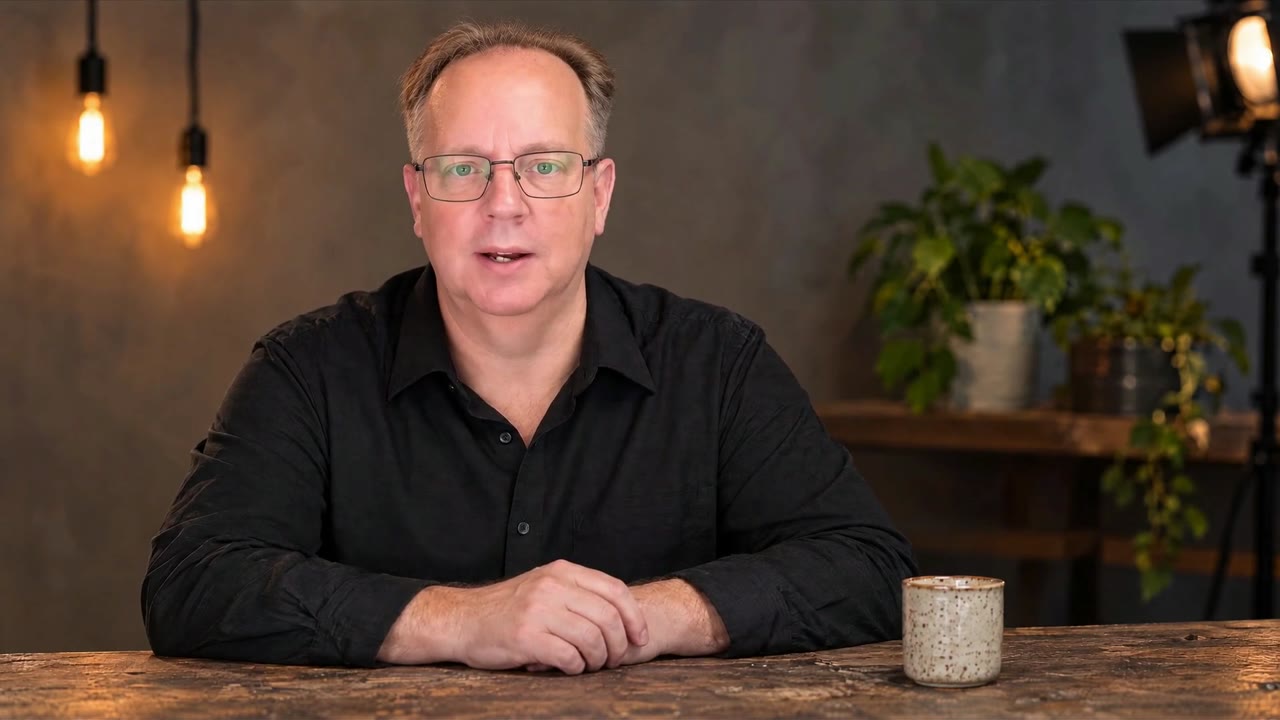
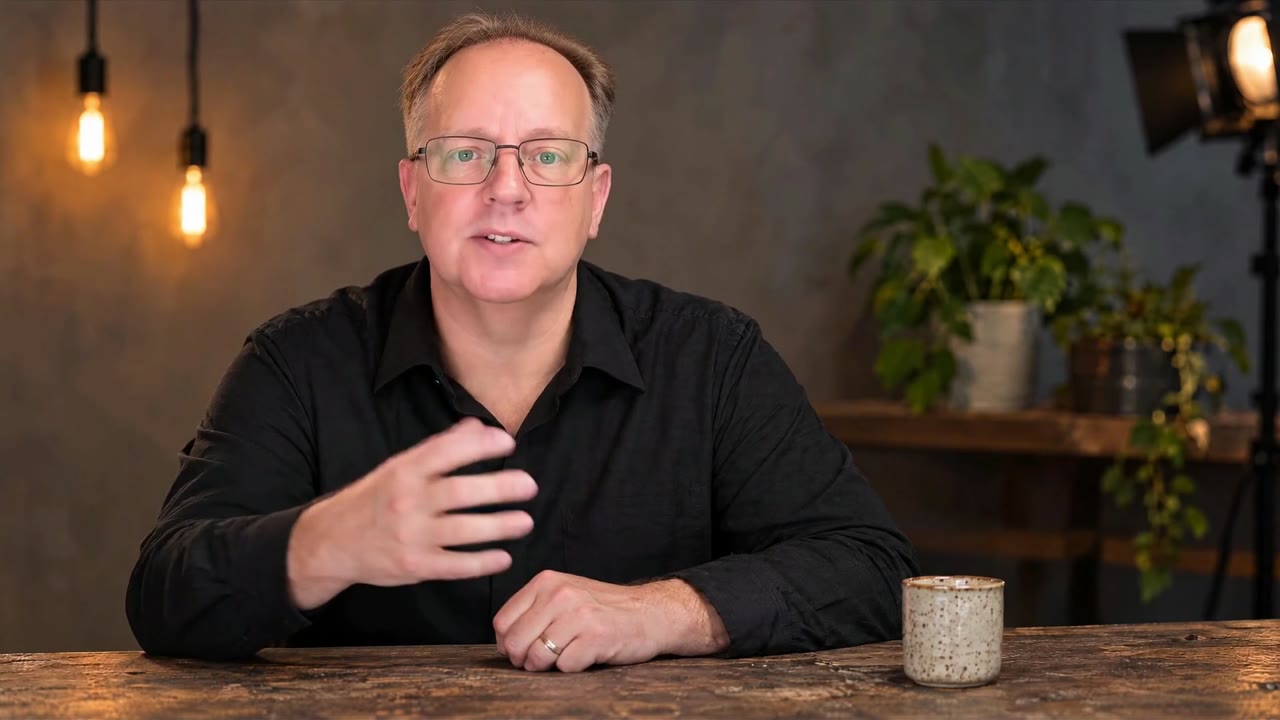
Dr. Greg Watson opens Module 6 with Federal Express's first night of business, and three moves for keeping a venture alive: count what one sale earns, time your cash, and protect your downside.
- Length
- 3:18
- Case study:
- Federal Express, 1973
- Module reading
- Read Module 6: Financial Modeling & Viability →
Key takeaways: Count, Time, Protect
Count. Count what one sale really earns. On a $100 job that costs $35, a 20% discount cuts about 30% of what you keep.
Time. Profit is what your books say; cash is what's in the bank. Growth can widen the gap, so your busiest season can be your most dangerous.
Protect. Before asking how much you could make, ask how much you can afford to lose. Rent money and tuition are not risk money.
Listen to the audio: startup cash flow with Dr. Greg Watson
The same interview as audio only, using far less data, for listening on the go.
Video chapters: Federal Express, 1973 and three cash flow moves
Full transcript: Every Promise Is Also a Bill
The line being spoken is highlighted as the video plays. Click any line to jump to that moment.
Federal Express's first night
In April 1973, a brand-new company had its very first night of business. Three hundred eighty-nine employees. Fourteen airplanes. Twenty-five cities. And when the night was over, they had delivered one hundred eighty-six packages. Fourteen airplanes... for one hundred eighty-six packages. Was that a triumph, or a disaster? Hold on to that question.
Meet Dr. Greg Watson
I'm Dr. Greg Watson. I've founded fourteen companies. My very first one was Payroll Systems. And payroll teaches you a lesson fast: Friday comes every week, whether your customers have paid you or not. That's what this chapter is about. Not accounting for its own sake. Survival.
Why good ideas die here
Here's why so many good ideas die here. Numbers feel cold. Your idea feels alive. So we let the excitement do the math. And the excitement always rounds up.
Three moves
Three moves to keep your idea alive. Count. Time. Protect.
Move one: Count what one sale earns
Move one: Count what one sale really earns. Forget the big total for a minute. Look at one customer. One job. One sale. What does it bring in, and what does it cost to deliver? Here's where discounts fool people. Say a job sells for one hundred dollars, and it costs you thirty-five dollars to do. You keep sixty-five. Now give twenty percent off. You don't lose twenty percent. You lose about thirty percent of what you keep. And you need half again as many customers just to end up where you started. A bargain for your customer can be a trap for you.
Move two: Time your cash
Move two: Time your cash. Profit and cash are not the same thing. Profit is what your books say you earned. Cash is what's actually in the bank. You can finish a great month, send out your invoices, and still not cover payroll on Friday, because your customers won't pay you until next month. And here's the surprise. Growth can make it worse. More orders mean more supplies, more people, more bills... before the money comes in. Your busiest season can also be your most dangerous one.
Move three: Protect your downside
Move three: Protect your downside. Before you ask, "How much could I make?" ask, "How much can I afford to lose?" And be honest. Rent money is not risk money. Tuition is not risk money. Courage isn't measured by how much you're willing to lose. Sometimes the bravest move is a smaller first step.
Back to Federal Express
Now, back to that first night. The company was Federal Express. That first night wasn't a verdict on the idea. It was the price of the promise. You can't promise overnight delivery to twenty-five cities with half a network. The planes, the people and the sorting all had to exist before the first package ever moved. That's the lesson. Every promise you make to a customer is also a bill you have to pay. And the numbers are how you find out whether you can keep that promise next week, next month, and next year.
Your challenge
So here's my challenge. The next time you get excited about a big number... a big order, a big sale, a big month... stop. Ask one question: "When does the cash actually arrive?" That question will protect you more than any great idea. I'm Greg Watson. Welcome to Chapter 6. Let's go do the math.
About the expert
Dr. Greg Watson on startup cash flow
Founder of 14 companies, 13 sold, with more than 40 years of experience in business. Professor of Business at Pima Community College, previously director of the New Venture Development Program at the University of Arizona's McGuire Center for Entrepreneurship, and author of the open textbook Entrepreneurship Essentials.
More about Dr. Watson →Go deeper: Module 6, Financial Modeling & Viability
Read Module 6 free online
- 6.1 Financial Acumen & Viability Analysis
Can this business make money, and how do I prove it?
- 6.2 Financial Modeling & Forecasting
How do I turn operating assumptions into revenue, expense, and cash-flow forecasts I can explain?
- 6.3 Funding, Financial Risk & Sustainability
How should this be funded, how long can it last, and what do the numbers say about proceeding?