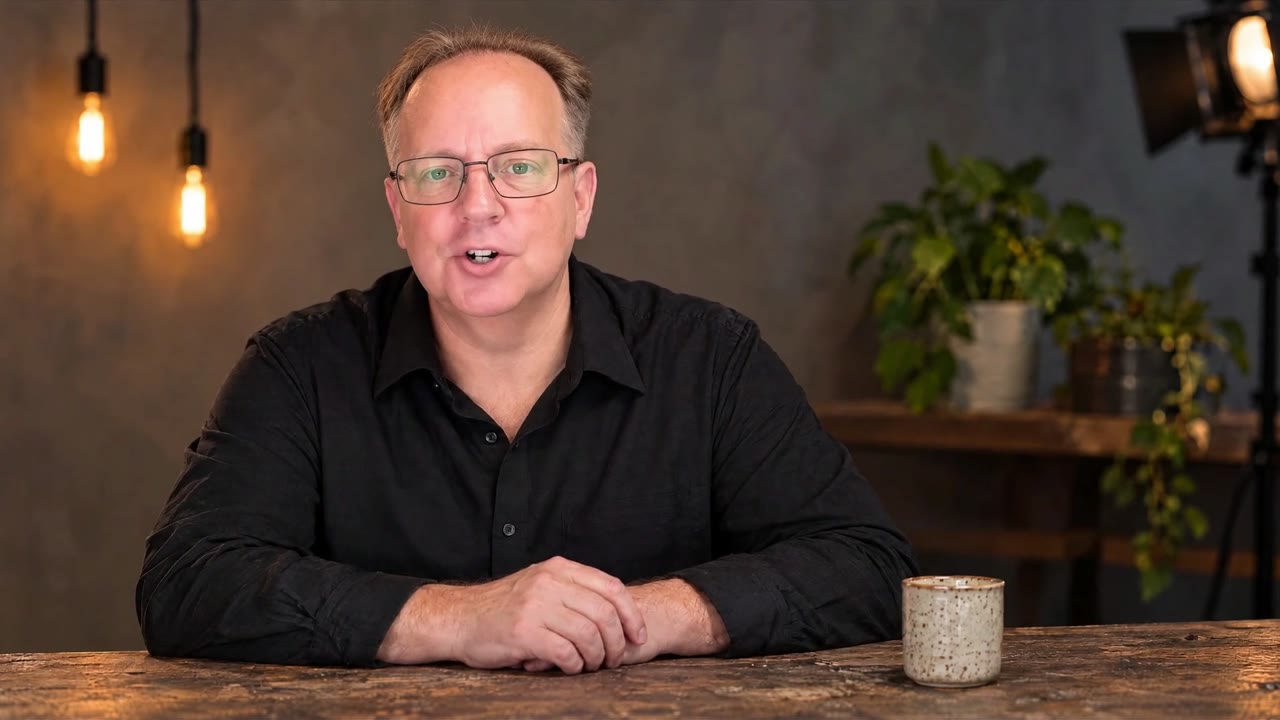
Module 5 expert interview
Startup Experiments: Evidence Doesn't Care About Your Job Title
with Dr. Greg Watson · Founder of 14 companies, 13 sold
Dr. Greg Watson opens Module 5 with the story of an overlooked idea at Microsoft, and three moves for running a fair experiment: predict, measure, and decide.
- Length
- 3:28
- Case study:
- Microsoft Bing
- Module reading
- Read Module 5: Experimentation & Validation →
Key takeaways: Predict, Measure, Decide
Predict. Write down what you expect, with a number and a reason. A wish can't be wrong; a prediction can. Test the scary assumption first.
Measure. Measure sign-ups, show-ups, and return visits, not views, and always ask: out of how many?
Decide. Keep going, change direction, pause, or stop. A good result can still mean stop, and a bad one can show exactly what to fix.
Listen to the audio: startup experiments with Dr. Greg Watson
The same interview as audio only, using far less data, for listening on the go.
Video chapters: Microsoft Bing and three experiment moves
Full transcript: Evidence Doesn't Care About Your Job Title
The line being spoken is highlighted as the video plays. Click any line to jump to that moment.
An idea on a list
Inside one of the biggest technology companies in the world, an employee had a small idea. The people in charge looked at it and decided it didn't matter much. So it sat on a list. For months. Hold on to that idea. I'll tell you what happened to it at the end.
Meet Dr. Greg Watson
I'm Dr. Greg Watson. I've founded fourteen companies. And I've learned that the most expensive words in business are, "I'm sure." I'm sure customers will love it. I'm sure this will work. I'm sure that idea isn't worth our time.
Why we say "I'm sure"
Here's why we say it. Being sure feels strong. Admitting "I don't know yet" feels weak. So we defend our ideas instead of testing them. But your idea doesn't care how confident you are. It either works in the real world, or it doesn't. An experiment is how you find out before it costs you everything. And remember: people liking your idea is not the same as your idea working. That's why we test.
Three moves
Three moves. Predict. Measure. Decide.
Move one: Predict
Move one: Predict. Before you test anything, write down what you expect to happen. With a number. And with a reason. "People will love it" is a wish. "At least eight out of ten people can find the sign-up button in under two minutes, because we cut the steps in half" is a prediction. A wish can't be wrong. A prediction can. That's what makes it useful. And test the scary assumption first. The one that sinks everything if you're wrong.
Move two: Measure what matters
Move two: Measure what matters. It's easy to measure the wrong thing. A thousand views. Three hundred clicks. Those numbers feel great. But did anyone actually sign up, show up, or come back? And always ask: out of how many? Thirty sign-ups out of fifty people is amazing. Thirty out of five thousand is a very different story. Same thirty people. Totally different answer.
Move three: Decide
Move three: Decide. When the results come in, you have four choices. Keep going. Change direction. Pause. Or stop. Here's the twist. A good result can still mean stop. Customers might love your service... and it still costs more to deliver than they'll pay. And a bad result doesn't always mean quit. Sometimes it shows you exactly what to fix.
Your hypothesis is not you
And this is the part that takes real courage. Your hypothesis is not you. When the evidence says you were wrong, you didn't fail. You learned something your competitors are still guessing about. Stay committed to the purpose. Stay flexible about the method.
Back to Microsoft
Now, back to that idea sitting on a list. The company was Microsoft. The idea was a small change to how ad headlines appeared on Bing. For months, nobody tested it, because experienced people were sure it didn't matter. Then an engineer finally ran the test. The result was so big, the team's first thought was that something must be broken. So they checked. And it was real. That's the lesson. The idea didn't need a more important person behind it. It needed a fair test. Evidence doesn't care about your job title.
Your challenge
So here's my challenge. The next time you hear yourself say, "I'm sure"... or your boss says, "We already know that won't work"... stop. Ask one question: "How would we know if we're wrong?" That question is where real learning begins. I'm Greg Watson. Welcome to Chapter 5. Let's go find out.
About the expert
Dr. Greg Watson on startup experiments
Founder of 14 companies, 13 sold, with more than 40 years of experience in business. Professor of Business at Pima Community College, previously director of the New Venture Development Program at the University of Arizona's McGuire Center for Entrepreneurship, and author of the open textbook Entrepreneurship Essentials.
More about Dr. Watson →Go deeper: Module 5, Experimentation & Validation
Read Module 5 free online
- 5.1 Experimentation & the Scientific Method
How do I test my riskiest assumptions and gather evidence that my business will work?
- 5.2 Designing and Interpreting Experiments
How do I match an experiment to my question, measure what matters, and read the results honestly?
- 5.3 Learning-Based Validation Decisions
What does my evidence justify: pivot, persevere, pause, or stop, and what should I test next?