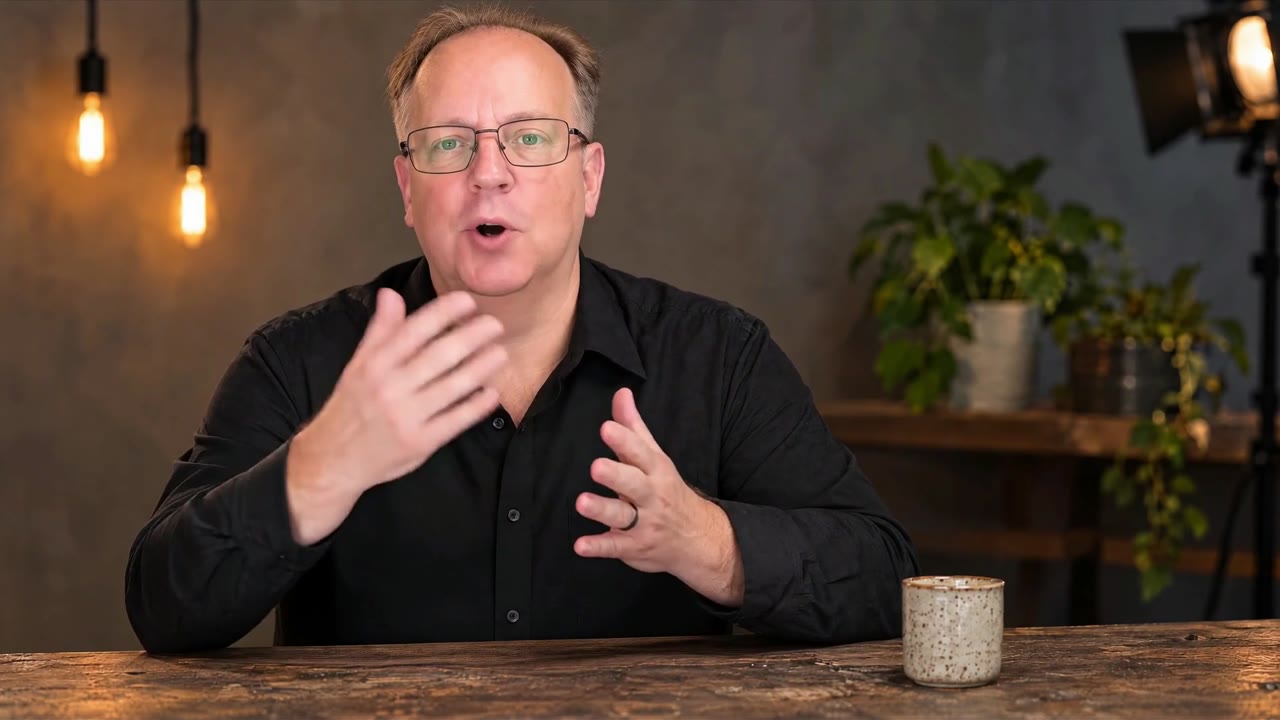
Module 7 expert interview
Pivoting and Adaptive Decisions: The Purpose Is the Point
with Dr. Greg Watson · Founder of 14 companies, 13 sold
Dr. Greg Watson opens Module 7 with Apollo 13, and three moves for adapting when a plan breaks: hold on to the purpose, find the bottleneck that sets the pace, and make only promises you can keep.
- Length
- 3:26
- Case study:
- Apollo 13
- Module reading
- Read Module 7: Iteration & Strategic Decision-Making →
Key takeaways: Purpose, Pace, Promise
Purpose. The purpose is the why; the plan is just the current how. Netflix kept its purpose and changed the method, gradually.
Pace. Every business has a bottleneck that sets the pace. In a young company it's often the founder. Fix that first.
Promise. Before you launch or sign the big deal, ask: can we keep this promise every time? You can go, revise, partner, pause, or stop.
Listen to the audio: pivoting and adaptive decisions with Dr. Greg Watson
The same interview as audio only, using far less data, for listening on the go.
Video chapters: Apollo 13 and three adaptive decision moves
Full transcript: The Purpose Is the Point
The line being spoken is highlighted as the video plays. Click any line to jump to that moment.
Apollo 13: when the plan breaks
In April 1970, three astronauts were on their way to the Moon. Years of training. A plan worked out down to the minute. Then an oxygen tank failed. And in an instant, the plan stopped working. What do you do when the plan breaks... and you can't turn around and start over? Hold on to that question.
Meet Dr. Greg Watson
I'm Dr. Greg Watson. I've founded fourteen companies. And here's something no business plan prepares you for: the plan you start with is almost never the plan you finish with.
Why changing the plan scares us
That scares people. We think changing the plan means we were wrong. Or weak. Or that we failed. So we hold on too long. Or we panic and throw everything away. There's a better way.
Three moves
Three moves. Purpose. Pace. Promise.
Move one: Purpose
Move one: Purpose. Know the difference between what you're trying to do and how you're doing it. The purpose is the why. The plan is just the current how. Netflix started by mailing DVDs. When streaming came along, they didn't abandon their purpose: making it easy to watch movies at home. They changed the method. Gradually. And they kept mailing DVDs for years while they did it. Hold on to the purpose. Let go of the method when the evidence says so.
Move two: Pace
Move two: Pace. Every business has a bottleneck. The one slow step that sets the speed for everything else. A bakery can have a line out the door and plenty of boxes, but if there's one oven, the oven decides how many cakes you sell. And here's the hard truth for founders. In a young company, the bottleneck is often you. You answer every call. You approve every decision. You fix every problem. It feels like dedication. But if everything has to go through you, you become the one slow step. Find the bottleneck. Fix that first. Everything else is just a longer line.
Move three: Promise
Move three: Promise. Before you launch, grow, or sign the big deal, ask one question: "Can we actually keep this promise?" Not once. Every time. Your choices aren't just yes or no. You can go. You can revise. You can partner. You can pause. Or you can stop.
The courage to say no
And sometimes, real courage means disappointing people today. Saying no to the big contract you can't deliver. Delaying the launch because it isn't safe yet. That's not weakness. That's protecting the people who are counting on you.
Back to Apollo 13
Now, back to Apollo 13. When that tank failed, NASA changed the mission. The goal was no longer landing on the Moon. The goal was bringing three people home alive. The astronauts used their lunar module as a lifeboat. The crew and the teams on the ground worked through every limited resource they had. They even had to solve a dangerous carbon dioxide problem with the equipment already on board. They didn't abandon their purpose. They protected the one that mattered most. And everyone came home. That's the lesson. A plan is a tool. The purpose is the point.
Your challenge
So here's my challenge. The next time your plan breaks... a deadline, a project, a business... and you feel that panic rising... stop. Ask one question: "What's the purpose, and what's the new plan to protect it?" That question turns a crisis into a decision. I'm Greg Watson. Welcome to Chapter 7. Let's go adapt.
About the expert
Dr. Greg Watson on pivoting and adaptive decisions
Founder of 14 companies, 13 sold, with more than 40 years of experience in business. Professor of Business at Pima Community College, previously director of the New Venture Development Program at the University of Arizona's McGuire Center for Entrepreneurship, and author of the open textbook Entrepreneurship Essentials.
More about Dr. Watson →Go deeper: Module 7, Iteration & Strategic Decision-Making
Read Module 7 free online
- 7.1 Iteration & Adaptive Decision-Making
Based on all my evidence, should I pivot or persevere, and how do I optimize my business model?
- 7.2 Resources, Operations & Organizational Capacity
Can the organization actually deliver what it promises, with the right people, processes, and protections?
- 7.3 Responsible Readiness, Ethics & Growth
Is it ready, is it responsible, and what is the right decision: launch, pilot, adjust, wait, or stop?